
Published January 27, 2026
From Shoeboxes to Smartphones: Tracing the Photo Evolution
For generations, the family photograph has served as a tangible link to our past, a visual echo of lives lived and moments cherished. From the daguerreotype's silver sheen to the vibrant hues of modern digital prints, the journey of photography mirrors our own human story, evolving alongside technological advancements and shifting cultural perspectives. Let's embark on a genealogical exploration of this fascinating evolution, tracing the path from dusty shoeboxes to the sleek screens of our smartphones.
The Dawn of Permanence: Capturing the First Glimpses
Before photography, memory was primarily preserved through painting and drawing, a costly and time-consuming endeavor. The invention of photography in the early 19th century revolutionized this, offering a more accessible and accurate means of capturing reality. Pioneers like Louis Daguerre and William Henry Fox Talbot gifted us with the daguerreotype and calotype, respectively – the earliest forms of photography. These images, though fragile and often unique, provided the first glimpses of our ancestors, their faces frozen in time. These early photographs were precious artifacts, carefully preserved and often displayed as prized possessions.
The Rise of the Album: Organizing Our Visual Heritage
As photographic processes improved and became more affordable, the practice of taking and sharing photographs became more widespread. The Victorian era saw the rise of the family photograph album, a meticulously curated collection of portraits, landscapes, and snapshots documenting family life. These albums, often adorned with ornate covers and filled with meticulously mounted prints, became cherished heirlooms, passed down through generations. They provided a tangible narrative of family history, a visual genealogy that connected present to past.
The Kodak Moment and Beyond: Photography for the Masses
The late 19th and early 20th centuries witnessed the democratization of photography. George Eastman's invention of the Kodak camera, with its simple "You press the button, we do the rest" slogan, made photography accessible to the masses. Suddenly, anyone could capture their own memories, creating a vibrant tapestry of everyday life. This era saw the rise of candid photography, capturing spontaneous moments and documenting the evolving social landscape. The development of color photography further enhanced the richness and realism of these visual narratives.
The Digital Revolution: A Paradigm Shift
The advent of digital photography in the late 20th century marked a profound shift. Film cameras were gradually replaced by digital cameras, which offered instant results, ease of use, and the ability to store and share images electronically. This transition ushered in an era of unprecedented photographic abundance. We could now take countless photos, editing and sharing them with ease. The rise of the internet and social media platforms further amplified this trend, transforming photography into a global phenomenon.
Smartphones and the Modern Photo Landscape
Today, the smartphone has become the primary camera for most people. These pocket-sized devices combine the functionality of a camera, a photo album, and a social sharing platform. We take photos constantly, documenting our lives and sharing them with the world in real-time. This has created a vast digital archive of memories, readily accessible at our fingertips. However, this abundance also presents new challenges: the potential for photo loss, the difficulty of organizing and preserving our digital heritage, and the need to ensure the longevity of these precious memories.
Preserving the Past, Embracing the Future
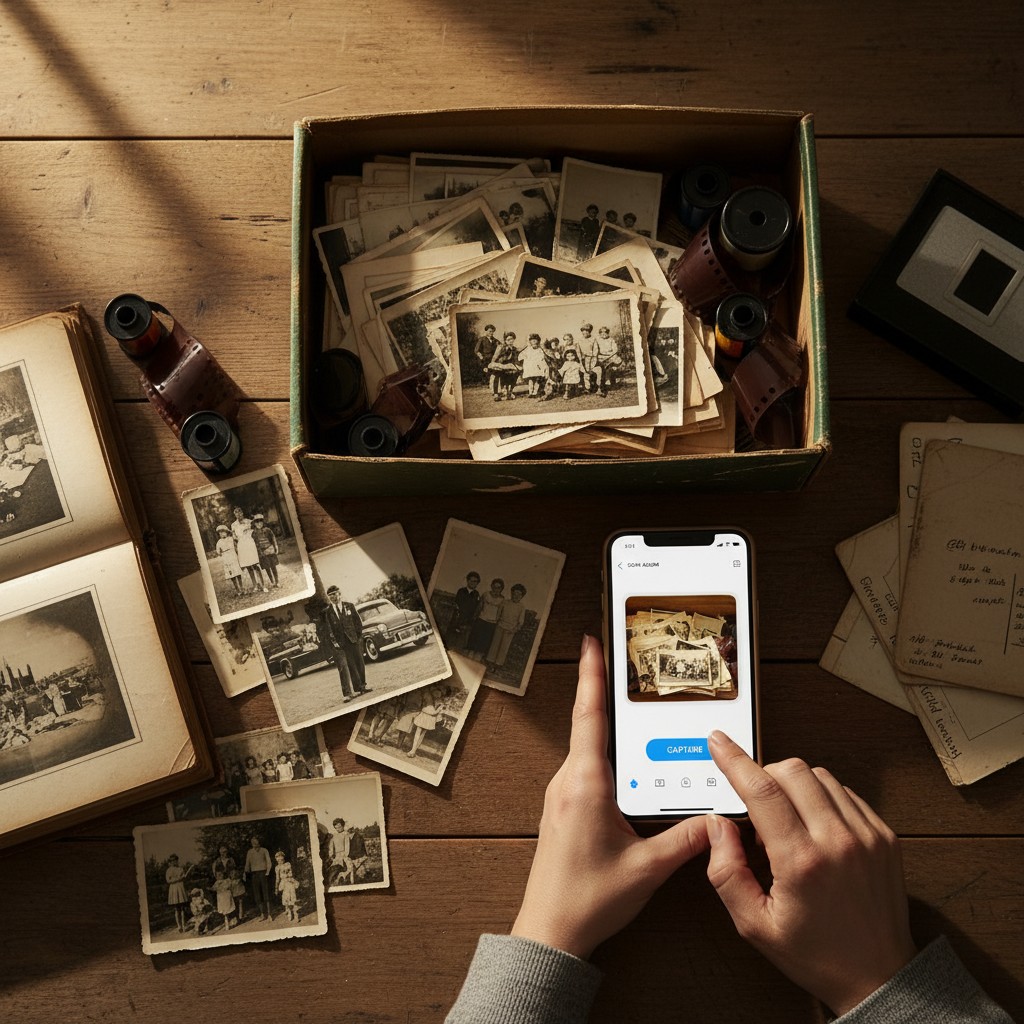
The evolution of photography has brought us to a point where preserving our visual history is both easier and more complex than ever before. While digital technology offers unparalleled convenience, it also necessitates proactive measures to safeguard our photos against loss or degradation. This is where tools like the Photomyne app become invaluable. Photomyne allows you to quickly and easily scan physical photos, bringing them into the digital realm where they can be organized, shared, and backed up. It uses advanced AI to automatically detect and crop photos, saving you valuable time and effort. It's like having a digital preservationist in your pocket, ensuring your family's photographic legacy endures for generations to come.
A Legacy in Pictures
From the earliest daguerreotypes to the latest smartphone snapshots, the evolution of photography is a testament to our enduring desire to capture and preserve the moments that shape our lives. By understanding this history and embracing the tools available to us, we can ensure that our photographic legacy continues to thrive, connecting us to our past and enriching the lives of future generations. The journey from shoeboxes to smartphones is a reminder that the stories we tell through pictures are the stories that define us.