
Published February 04, 2026
Modern Families and the Lost Art of the Photo Album
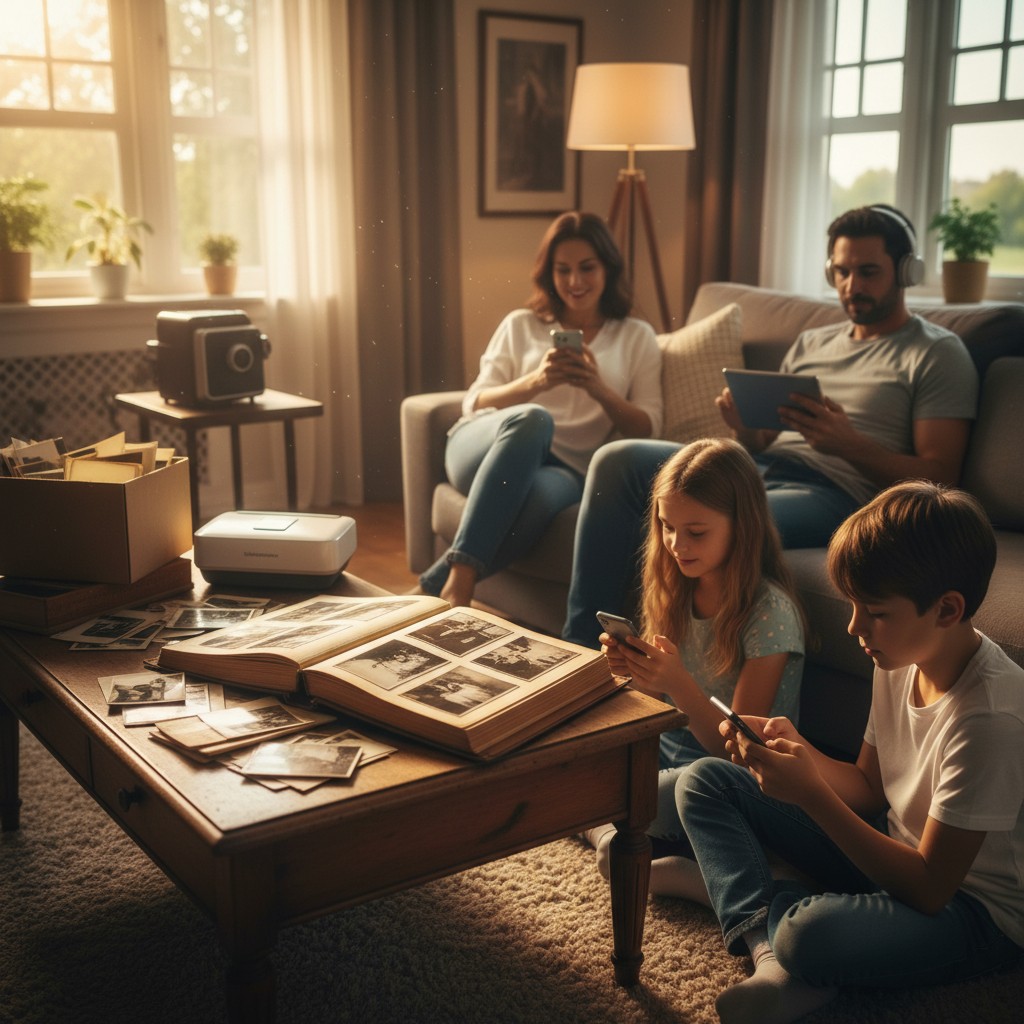
The scent of aging paper, the crinkle of a well-loved page, the shared laughter over a faded snapshot – these were once the hallmarks of family time. Yet, in our increasingly digital world, the tangible connection to our past, so powerfully embodied by physical photographs, seems to be fading. The question arises: are modern families truly interacting with old photos, or has this tradition become a relic of a bygone era?
The Digital Divide and the Decline of Physical Albums
The shift from physical to digital photography has undoubtedly played a significant role. With the advent of smartphones and social media, taking photos has become effortless. We snap hundreds, even thousands, of images annually, storing them on hard drives, cloud services, and social platforms. While convenient, this digital deluge can lead to a sense of detachment. The sheer volume of images can be overwhelming, making it difficult to curate, organize, and revisit them. The physical album, once a carefully constructed narrative of family history, has often been replaced by a chaotic, easily forgotten digital archive.
Competing Priorities and the Time Crunch
Modern families face unprecedented demands on their time. Between work, school, extracurricular activities, and social commitments, finding dedicated time for shared activities can be a challenge. The process of sifting through old photos, identifying individuals, and sharing stories can feel time-consuming. This perceived lack of time often leads to the neglect of physical photo albums, relegating them to dusty shelves or forgotten boxes.
The Rise of Individualism and the Erosion of Shared Experiences
Contemporary society often prioritizes individual pursuits over collective family experiences. Children and teenagers, immersed in their digital worlds, may show less interest in the past. They might not have the same appreciation for the history captured in old photographs as previous generations. This shift in focus can contribute to a disconnect between generations and a diminished interest in the stories held within family photo albums.
The Power of Nostalgia and the Value of Tangible Memories
Despite these challenges, the yearning for connection and the power of nostalgia remain potent forces. Old photographs offer a unique window into the past, sparking memories, fostering empathy, and strengthening family bonds. They provide a tangible link to our ancestors, allowing us to understand our roots and appreciate the journey that has shaped our lives. The act of sharing these photos, accompanied by stories and anecdotes, can create a powerful sense of belonging and continuity.
Reclaiming the Past: Strategies for Engaging with Old Photos
Fortunately, there are several ways to bridge the gap and re-engage with the rich history held within old photographs:
- Organize and Digitize: Start by sorting through your physical photos. Consider digitizing them to make them accessible and shareable.
- Create Digital Albums: Organize your digital photos into albums and add captions to provide context and tell stories.
- Schedule Regular Photo Sharing Sessions: Dedicate specific times for family members to gather and look through old photos together.
- Involve Younger Generations: Encourage children and teenagers to participate in the process, asking them to help identify people and places in the photos.
- Frame and Display: Print and frame some of your favorite photos to create a visual reminder of your family history.
The good news is that there are tools to help you with these tasks. For example, the Photomyne app has helped millions of users, scanning over half a billion images, to bring their family photos back to life, making them accessible and shareable with ease.
The Future of Family Memories
While the way we interact with photos may have changed, the fundamental need to connect with our past remains. By embracing technology, making time for shared experiences, and fostering a sense of curiosity, modern families can reclaim the joy and connection that old photos offer. The future of family memories lies in finding a balance between the convenience of the digital world and the enduring power of tangible connections.