
Published January 21, 2026
Modern Technology Moved On, Old Photos Didn’t
The world is constantly evolving. Every day, we're introduced to new gadgets, software, and ways of life that were unimaginable just a few years ago. Our phones are now pocket-sized supercomputers, connected to a global network of information. We can video chat with loved ones across continents, order groceries with a tap, and even control our homes with our voices. But amidst this whirlwind of innovation, something has remained stubbornly static: our old photos.
Those precious snapshots, tucked away in albums, boxes, and drawers, represent a different era. They capture moments in time – graduations, weddings, birthdays, vacations – frozen in a format that feels increasingly out of sync with the digital age. While technology has leaped forward, our physical photos have, for the most part, stayed put, gathering dust and slowly degrading. This disconnect creates a significant challenge: how do we bridge the gap between our cherished photographic past and our technologically advanced present?
The Challenges of Preserving and Sharing Old Photos
The limitations of physical photographs are numerous. Consider these common hurdles:
- Physical Degradation: Over time, photos fade, discolor, and become susceptible to damage from light, humidity, and handling. The paper can become brittle, and the images themselves can crack or peel.
- Limited Accessibility: Sharing physical photos requires physically handing them over, making copies, or painstakingly scanning them one by one. This process is time-consuming and often results in a loss of quality.
- Difficult to Organize: Sorting and organizing physical photos can be a monumental task. Without a robust system, it's easy to lose track of dates, locations, and the stories behind the images.
- Space Constraints: Physical photo collections take up a significant amount of space. Albums, boxes, and frames can quickly clutter a home, making it difficult to display and enjoy your memories.
- Risk of Loss: Fire, flood, theft, or simply misplacing a box of photos can lead to the irretrievable loss of irreplaceable memories.
These challenges can lead to frustration and a sense of disconnect from our photographic heritage. We know these photos are important, but the effort required to preserve and share them often feels overwhelming.
The Modern Solution: Digitization and Beyond
The good news is that modern technology offers powerful solutions to these problems. Digitization, the process of converting physical photos into digital files, is the cornerstone of preserving and sharing our photographic past. By digitizing our photos, we can:
- Preserve Memories: Digital copies are immune to the ravages of time and physical damage. They can be stored indefinitely without fading or degrading.
- Share Easily: Digital photos can be shared instantly with family and friends via email, social media, or cloud storage.
- Organize Effectively: Digital photos can be easily tagged, sorted, and organized using dates, locations, and keywords.
- Free Up Space: Once digitized, physical photos can be safely stored or even discarded, freeing up valuable space in your home.
- Create Backups: Digital files can be backed up to multiple locations, ensuring your memories are safe from loss.
However, the traditional methods of digitizing photos – using a flatbed scanner or a dedicated photo scanner – can be time-consuming, tedious, and often require specialized equipment. This is where innovative solutions come into play, making the process of digitizing your photos easier and more accessible than ever before.
Introducing the Photomyne App: A Revolutionary Approach
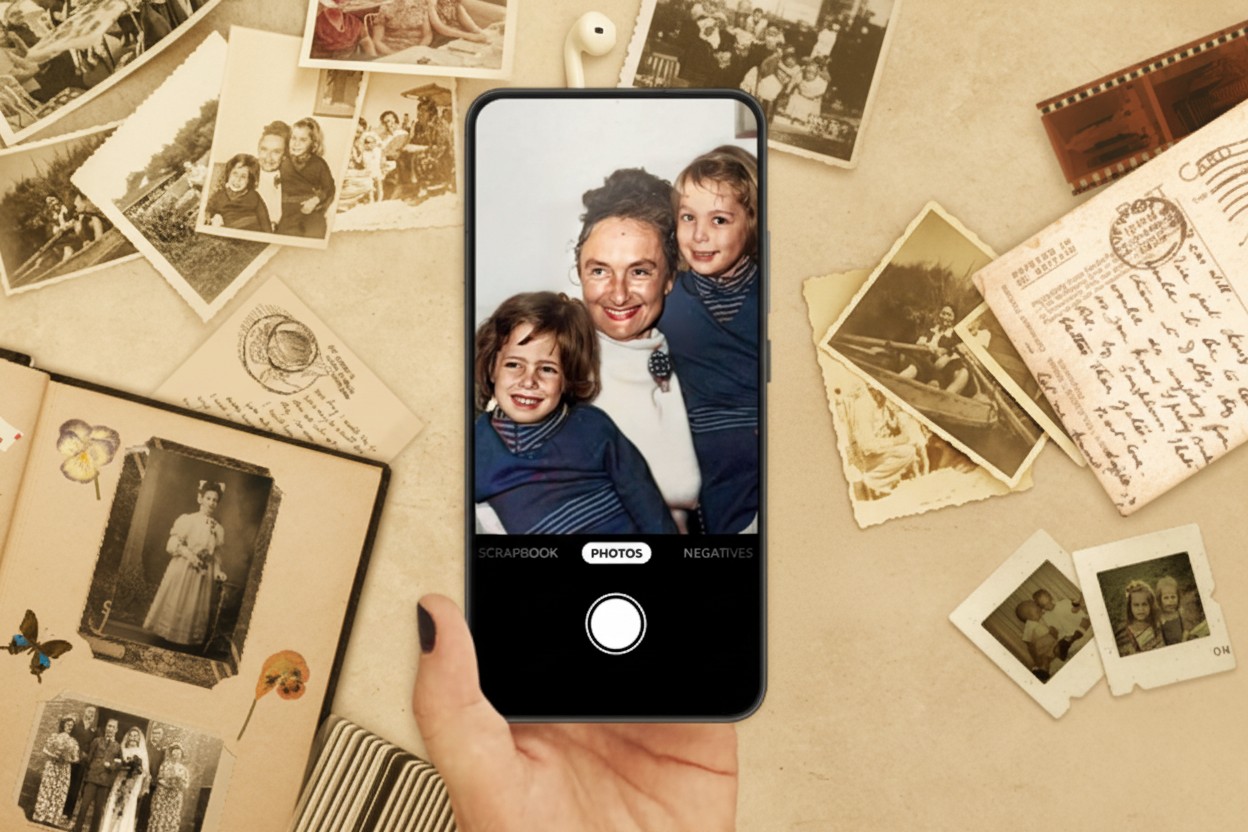
One such solution is the Photomyne app. This innovative app leverages the power of your smartphone's camera and advanced AI technology to transform the way you digitize, preserve, and share your old photos. Here's how it works:
- Simply Snap a Photo: Open the app and point your phone's camera at your physical photos. You don't need to scan them one by one. The app can capture multiple photos at once, even if they're still in an album.
- Automatic Detection and Cropping: Photomyne's AI technology automatically detects the edges of each photo, crops them, and straightens them for you.
- Automatic Enhancement: The app automatically enhances the colors, contrast, and clarity of your photos, bringing them back to life.
- Easy Sharing and Organization: Once digitized, your photos are organized into albums and can be easily shared with family and friends via email, social media, or cloud storage. You can also add captions, dates, and other details to your photos.
- And much more: Photomyne offers a range of features, including the ability to create slideshows, add music to your photos, and even order high-quality prints.
The Photomyne app simplifies the entire process, making it quick, easy, and enjoyable. It's like having a professional photo restoration studio in the palm of your hand.
Embracing the Future of Your Photographic Past
The world may have moved on, but your old photos don't have to be left behind. By embracing the power of digitization and utilizing innovative tools like the Photomyne app, you can bridge the gap between your cherished memories and the technology of today. You can preserve your photographic heritage for generations to come, share your stories with loved ones, and ensure that your past remains a vibrant part of your present and future. Don't let your precious memories fade away. Take the first step towards preserving and sharing your photographic legacy today!