
Published February 03, 2026
The Unspoken Loss: What Happens When Memories Aren’t Preserved
We all have them: those cherished moments, the faces of loved ones, the laughter that echoes in our minds. These are the memories that shape us, connect us to our past, and give meaning to our present. But what happens when these precious fragments of life are left to fade, unpreserved and forgotten? The consequences of neglecting our memories are far-reaching and can impact individuals, families, and even entire communities.
The Erosion of Personal Identity
At the most fundamental level, unpreserved memories contribute to a gradual erosion of our personal identity. Our memories are the building blocks of who we are. They tell the story of our lives, from the significant milestones to the everyday moments that make up the tapestry of our existence. Without these stories, we lose a vital connection to our past, making it harder to understand our present and envision our future.
Imagine a world where you couldn't recall your childhood home, the faces of your grandparents, or the lessons learned from past experiences. This disconnect can lead to feelings of disorientation, a sense of being untethered, and a diminished sense of self. Preserving memories is, therefore, an act of self-preservation, ensuring that we remain connected to the narrative of our own lives.
The Severing of Family Bonds
Memories are the glue that binds families together. They provide a shared history, a common ground upon which relationships are built and strengthened. When memories are lost or forgotten, these bonds can weaken, leading to a sense of detachment and isolation.
Think about the family stories passed down through generations. These stories often contain valuable lessons, insights into family values, and a sense of belonging. Without these narratives, the younger generations miss out on a crucial part of their heritage. They may not know the struggles their ancestors overcame, the triumphs they celebrated, or the love that sustained them. This can lead to a feeling of disconnect from their family history and a reduced sense of kinship.
The Loss of Cultural Heritage
The impact of unpreserved memories extends far beyond the individual and the family. Collectively, our memories form the foundation of our cultural heritage. They represent the shared experiences, traditions, and values that define a community or a nation.
When memories are not preserved, valuable cultural knowledge can be lost forever. This includes traditional practices, artistic expressions, historical events, and the stories that shape a community's identity. The absence of these memories can lead to a loss of cultural understanding, a weakening of community bonds, and a diminished sense of belonging.
The Difficulty of Learning from the Past
History teaches us valuable lessons. It allows us to understand the mistakes of the past, to learn from the successes of others, and to make informed decisions about the future. However, without the preservation of memories, our ability to learn from history is severely compromised.
When historical events are forgotten or distorted, we risk repeating past mistakes. We may fail to recognize the patterns of conflict, the dangers of intolerance, or the importance of social justice. Preserving memories, therefore, is essential for creating a more informed and compassionate future.
The Importance of Memory Preservation
The consequences of neglecting our memories are significant. However, the good news is that we have the power to prevent these losses. By actively preserving our memories, we can safeguard our personal identities, strengthen family bonds, protect our cultural heritage, and create a more informed future.
Here are some ways to preserve your memories:
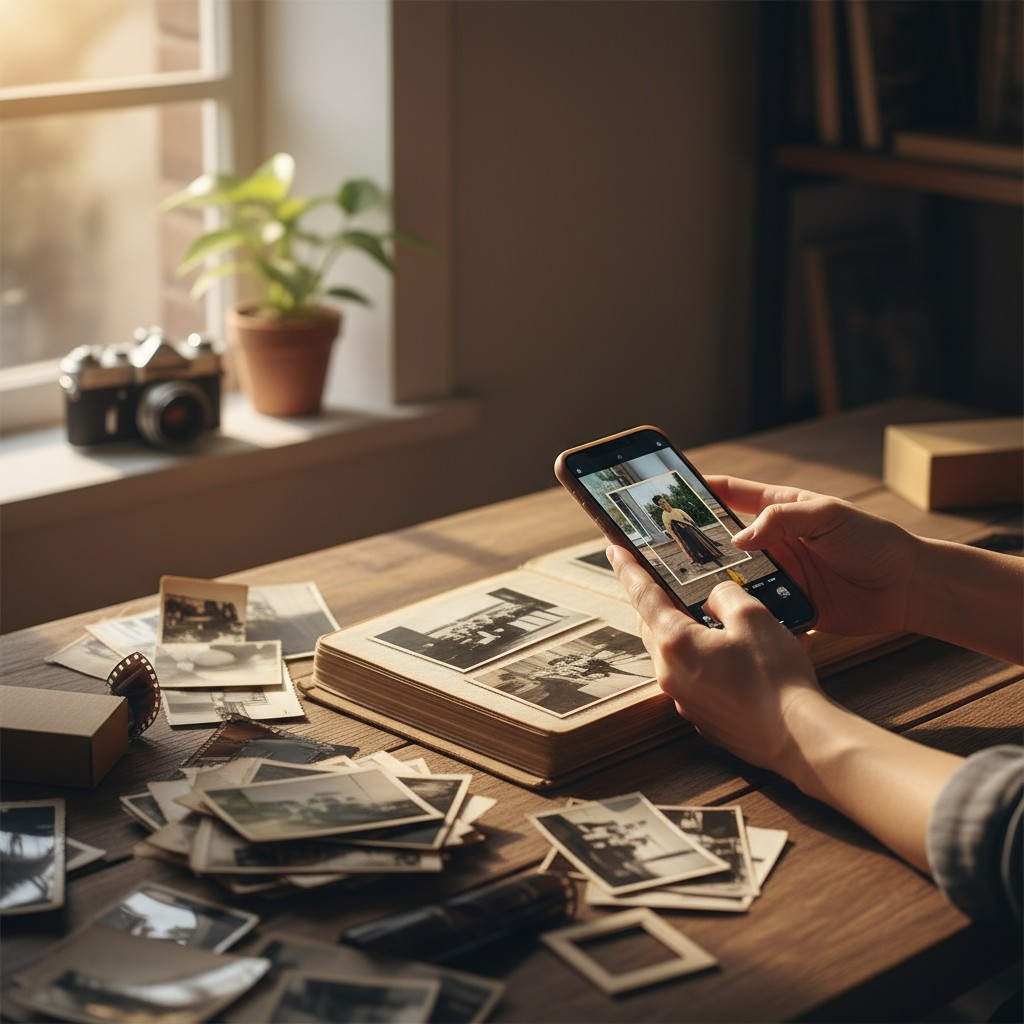
- Digitize old photos: Scan your photos to preserve them digitally and make them easily shareable.
- Create photo albums: Organize and share your photos in albums, adding captions and stories.
- Write down your memories: Keep a journal, write letters, or record oral histories.
- Share your stories: Talk to your family and friends about your memories, and encourage them to share theirs.
- Use memory preservation apps: Utilize apps like Photomyne to easily scan, organize, and share your photos.
Preserving memories is an investment in the future. It's a way to honor the past, celebrate the present, and build a stronger foundation for generations to come. Don't let your precious memories fade away. Start preserving them today.