
Published January 26, 2026
Why Old Photo Formats Don't Age Well
The allure of vintage photographs lies in their ability to transport us to bygone eras, offering glimpses into the lives and experiences of those who came before. However, the very materials and processes that once captured these precious moments are often their greatest enemies. Understanding why old photo formats deteriorate over time is crucial for preserving our photographic heritage. This article delves into the scientific reasons behind the aging of various photographic formats.
The Chemistry of Decay: Understanding the Degradation Process
The longevity of a photograph is intrinsically linked to the chemical stability of its components. Several factors contribute to the degradation process:
- Light Exposure: Light, particularly ultraviolet (UV) radiation, is a primary culprit. It initiates photochemical reactions, breaking down the chemical bonds within the image dyes and the paper base. This leads to fading, color shifts, and overall image degradation.
- Humidity and Temperature: Fluctuations in humidity and temperature accelerate the deterioration process. High humidity promotes mold growth and accelerates chemical reactions. Extreme temperatures can warp and embrittle the photograph's base, leading to cracking and physical damage.
- Air Pollution: Airborne pollutants, such as sulfur dioxide and ozone, react with the photographic materials, causing discoloration and fading. These pollutants can also react with the paper base, making it brittle and prone to tearing.
- Chemical Instability of Materials: The materials used in early photographic processes were often inherently unstable. For example, early color photographs frequently used dyes that were highly susceptible to fading. Silver-based black and white prints are prone to silver mirroring, where silver particles migrate to the surface, creating a metallic sheen.
Specific Format Vulnerabilities
Different photographic formats exhibit varying degrees of vulnerability:
- Daguerreotypes: These early photographic images, created on silver-plated copper, are highly susceptible to tarnishing and scratching. The delicate silver surface is easily damaged.
- Tintypes: These images, created on iron plates, are more durable than daguerreotypes but are still prone to rust and physical damage to the iron support.
- Albumen Prints: These prints, common in the late 19th century, used egg white (albumen) to bind the silver image to the paper. Albumen is susceptible to yellowing and cracking over time.
- Color Photographs (Early Processes): Early color processes, such as Kodachrome and Agfacolor, used dyes that were often unstable and prone to fading, particularly when exposed to light.
Preservation Strategies: Mitigating the Effects of Time
While the aging process is inevitable, several strategies can significantly slow down the degradation of old photographs:
- Proper Storage: Store photographs in a cool, dry, and dark environment. Avoid attics, basements, and areas with fluctuating temperatures and humidity.
- Archival Materials: Use archival-quality storage materials, such as acid-free paper, sleeves, and boxes. These materials are designed to be chemically inert and will not contribute to the degradation of the photographs.
- Handling with Care: Always handle photographs with clean hands or cotton gloves. Avoid bending, folding, or creasing the photographs.
- Digital Preservation: Digitizing your photographs is an essential step in preserving them. This creates a backup copy that is not subject to physical degradation.
The Power of Digital Restoration
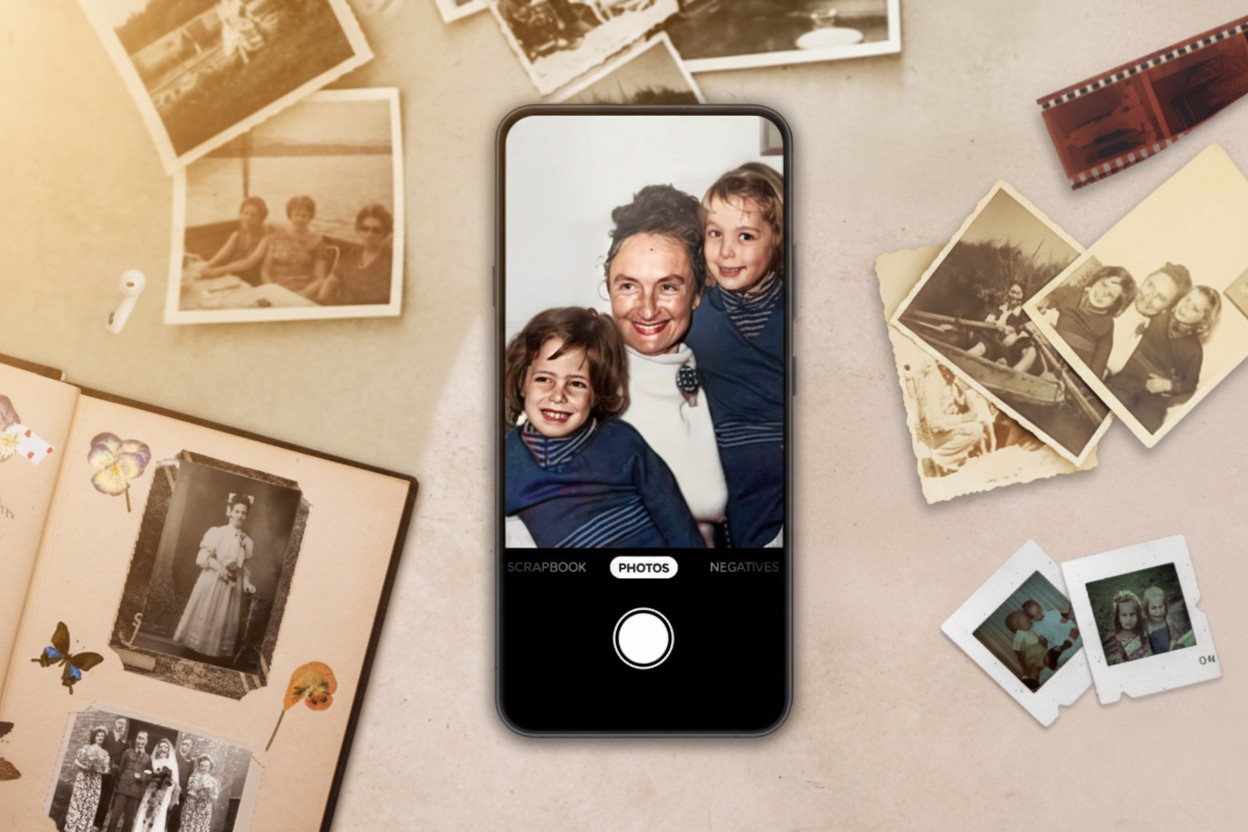
Even photographs that have already suffered damage can be partially restored through digital techniques. Using image editing software, it's possible to remove scratches, repair tears, and correct color fading. The Photomyne app, for example, offers a user-friendly and efficient way to scan, restore, and share your old photos, breathing new life into your cherished memories. It uses powerful AI algorithms to automatically enhance faded colors, repair damaged areas, and provide a convenient way to organize and preserve your photographic legacy.
By understanding the science behind photographic degradation and implementing appropriate preservation strategies, we can ensure that these precious windows into the past continue to be enjoyed by future generations.