
Published January 28, 2026
Old Photos Deserve the Same Care as Important Documents
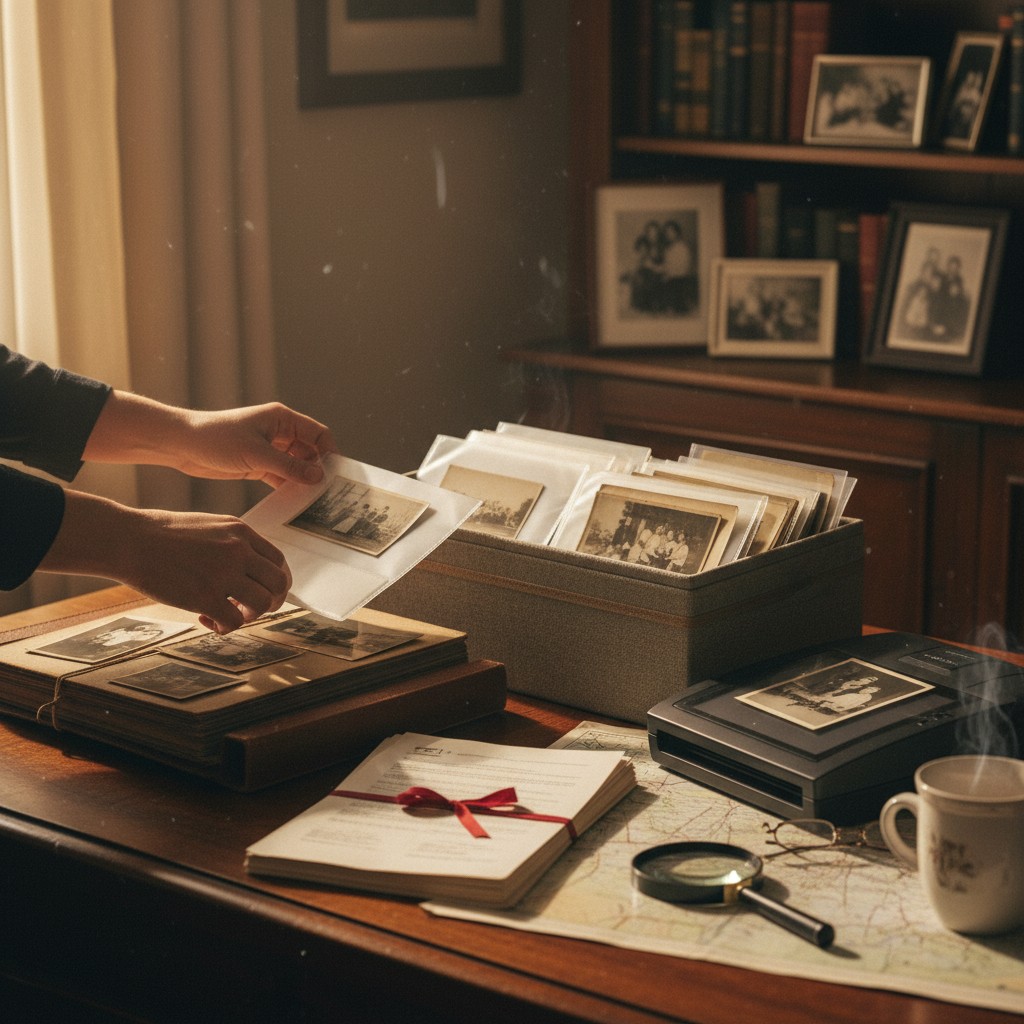
We all have them: those precious boxes, albums, and drawers overflowing with old photographs. They're a tangible link to our past, holding memories of loved ones, significant life events, and moments we might otherwise forget. But how often do we consider the long-term preservation of these invaluable treasures? Often, not enough. In fact, old photos deserve the same level of care and attention we give to important documents like birth certificates, wills, and financial records. They are, after all, documents of a different kind – documents of our lives.
Why Treat Photos Like Important Documents?
The reasons are numerous and compelling:
- Irreplaceable Memories: Unlike a duplicate document, a faded or damaged photograph often represents a truly unique memory. There's no "copy" to fall back on.
- Historical Significance: Photos document history, both personal and societal. They offer glimpses into the past that words alone can't capture, providing context and understanding for future generations.
- Sentimental Value: The emotional connection we have with old photos is profound. They evoke feelings, spark conversations, and connect us to our loved ones, both present and past.
- Physical Degradation: Unlike digital files, physical photographs are susceptible to a wide range of threats: light, humidity, temperature fluctuations, and physical handling can all lead to fading, discoloration, tearing, and other forms of damage.
Common Threats to Old Photos
Understanding the threats is the first step in protecting your photo collection:
- Light Exposure: Direct sunlight and even prolonged exposure to artificial light can cause fading and color shifts.
- Humidity and Temperature: High humidity encourages mold growth and accelerates chemical reactions that degrade photos. Extreme temperatures can warp and damage the emulsion.
- Poor Storage: Using acidic albums, rubber bands, or storing photos in attics or basements can lead to accelerated deterioration.
- Physical Handling: Fingerprints, scratches, and bending can permanently damage photos.
- Chemical Reactions: The materials used in older photographs, like the paper and chemicals used in processing, are inherently unstable and prone to breaking down over time.
Best Practices for Photo Preservation
Fortunately, there are several steps you can take to safeguard your photo collection:
- Proper Storage:
- Use archival-quality albums, boxes, and sleeves made of acid-free materials.
- Store photos in a cool, dry, and dark place, away from direct sunlight and extreme temperature fluctuations.
- Avoid storing photos in attics, basements, or garages, where humidity and temperature are difficult to control.
- Handling with Care:
- Always wash and dry your hands before handling photos.
- Use cotton gloves to avoid leaving fingerprints.
- Handle photos by their edges, avoiding contact with the image surface.
- Digitization:
- Scanning your photos is one of the best ways to preserve them for future generations.
- Digital copies can be easily shared, backed up, and restored if the originals are damaged.
- Consider using a photo scanning app for a quick and easy way to digitize your collection.
- Organization and Labeling:
- Organize your photos by date, event, or person.
- Label each photo with relevant information, such as names, dates, and locations.
- This will make it easier to identify and share your photos in the future.
Digitizing your photos is easier than ever. With the Photomyne app, you can quickly scan multiple photos at once, and it automatically detects and crops each image. It's a testament to the scale and stability of digital photo preservation, with millions of users having scanned over half a billion images.
By treating your old photos with the same care and attention you give to important documents, you can ensure that these precious memories are preserved for generations to come. It's an investment in your family's history and a gift that will be treasured for years to come.