
Published January 22, 2026
When Photos Become the Only Link to Past Generations
We all have them: those boxes, albums, and drawers overflowing with photographs. They represent a tangible connection to our past, a visual chronicle of lives lived before our own. But what happens when those photographs become more than just memories? What happens when they become the *only* link to generations gone by?
In an increasingly digital world, the physical artifacts of our ancestors are slowly disappearing. Handwritten letters fade, furniture is sold, and houses are renovated beyond recognition. But photographs, those silent witnesses to history, often endure. They become the primary source of information, the key to unlocking stories, faces, and experiences that would otherwise be lost to time.
The Power of a Single Photograph
Consider the power held within a single, faded photograph. It might depict a great-grandmother you never met, her face etched with a wisdom you can only imagine. It could be a snapshot of your grandfather as a young man, a glimpse into his youthful exuberance before the weight of the world settled upon his shoulders. These images are not just static representations; they are portals. They allow us to:
- Connect with our roots: Seeing the faces of our ancestors provides a sense of belonging and identity. It helps us understand where we come from and the forces that shaped our family.
- Learn about our heritage: Photographs often capture details about clothing, homes, and daily life that can teach us about the customs and traditions of past generations.
- Preserve family stories: Each photograph has a story to tell. They spark conversations, trigger memories, and help us piece together the narratives of our families.
- Inspire future generations: Sharing these photographs with children and grandchildren ensures that the legacy of our ancestors lives on. It fosters a sense of connection and pride in their heritage.
The Challenges of Preservation
However, the fragility of physical photographs presents a significant challenge. Over time, they are susceptible to damage from light, moisture, temperature fluctuations, and simply the ravages of age. Fading, tearing, and discoloration are common problems that can erase precious details and ultimately destroy the image.
Furthermore, organizing and sharing physical photographs can be cumbersome. Albums can be bulky, and sharing them with distant relatives can be difficult. The risk of loss or damage increases with each handling.
Embracing the Digital Age for Preservation
Fortunately, the digital age offers powerful solutions for preserving and sharing these invaluable links to our past. Scanning and digitizing photographs is the first crucial step. This process creates a digital backup, protecting the original images from further deterioration and making them easily accessible.
Once digitized, photographs can be organized, labeled, and shared with family members across the globe. Digital platforms allow for the addition of captions, dates, and even audio recordings, further enriching the stories behind the images.
The Photomyne Solution
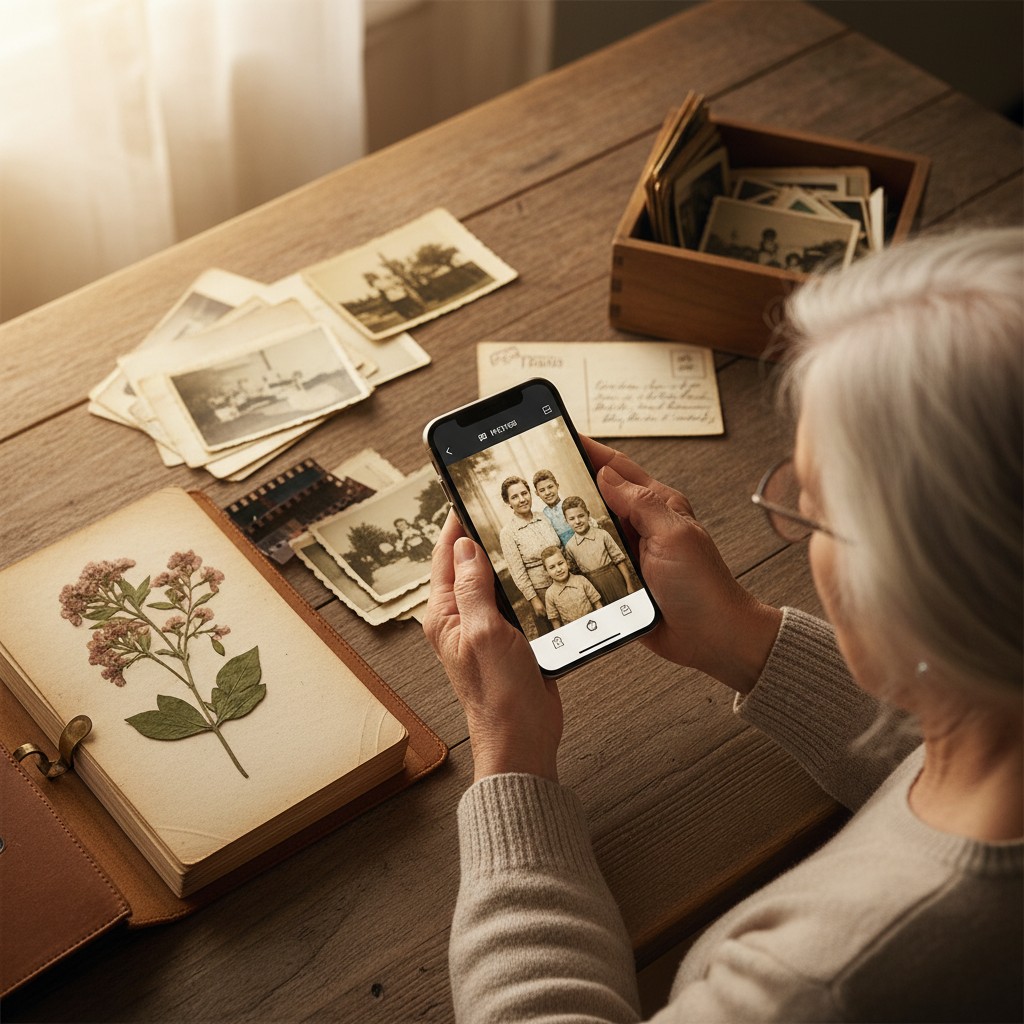
One particularly user-friendly and effective solution for digitizing and preserving your precious photos is the Photomyne app. This innovative app uses advanced AI technology to automatically scan multiple photos at once, saving you time and effort. It intelligently detects edges, crops images, and even enhances faded colors, bringing your old photos back to life. Photomyne also allows you to easily add details, share your photos with family, and create stunning photo albums and slideshows – all from the convenience of your phone. It's a fantastic way to safeguard your memories and make them accessible for generations to come.
Beyond the Photograph: Building a Legacy
Digitizing photographs is just the beginning. The real magic happens when we combine these visual records with the stories that accompany them. Encourage family members to share their memories, write down anecdotes, and record oral histories. These narratives, combined with the photographs, create a rich tapestry of family history.
In conclusion, as physical artifacts fade, photographs become increasingly vital in connecting us to past generations. By embracing digital preservation techniques and actively collecting and sharing family stories, we can ensure that these invaluable links to our past remain strong, vibrant, and accessible for generations to come. They are not just pictures; they are the keys to unlocking our family's legacy.