
Published February 09, 2026
Why So Many People Still Have Film but No Way to View It
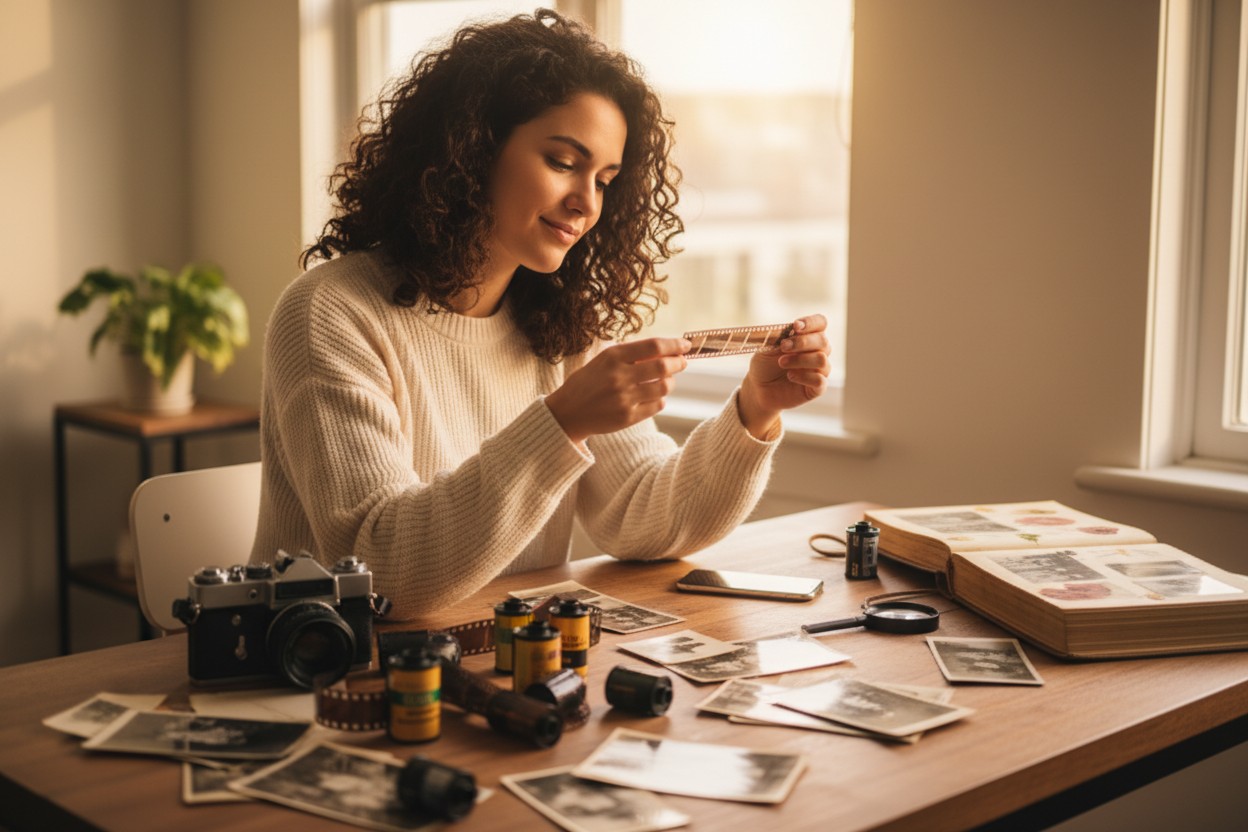
The attic. The basement. That dusty box in the back of the closet. Chances are, many of us have a treasure trove of memories hidden away in the form of old film negatives, slides, and undeveloped rolls. But why, in this age of instant digital gratification, do so many people still possess these relics of a bygone era, with seemingly no way to actually *see* them?
The Persistence of Film: A Legacy of Memories
The answer is multifaceted, but the core reason is simple: film photography was the dominant method of capturing memories for over a century. From family vacations and graduations to weddings and everyday moments, film was the go-to medium. These negatives, slides, and prints represent a tangible connection to the past, a physical record of lives lived and experiences cherished. They're more than just photos; they're heirlooms, representing the people and places that shaped us.
The Digital Divide: Why Viewing is Difficult
So, why the disconnect? Why the abundance of film and the scarcity of viewing options? Here are a few key factors:
- Technological Obsolescence: The equipment needed to view film is, for the most part, obsolete. Projectors for slides are bulky and require a darkened room. Negative viewers are often cumbersome and require a light source. The specialized equipment needed to develop film, once commonplace, is now largely confined to professional labs.
- Cost and Convenience: Developing film, even if you can find a lab, can be expensive. The process takes time, requiring you to drop off your film and wait for the results. In today's world of instant gratification, this can feel like a significant hurdle.
- Lack of Knowledge: Many people simply don't know what to do with their film. They may not be familiar with the different types of film (negatives, slides, etc.) or the processes required to view them. The knowledge base surrounding film photography has diminished over time.
- The "Someday" Mentality: Often, the film sits untouched because of the perceived effort involved. People intend to get around to it "someday," but life gets in the way. The task of sorting, organizing, and viewing film can feel overwhelming, leading to procrastination.
- Fear of Damage: Film is fragile. Negatives and slides can be easily scratched, damaged by moisture, or fade over time. The fear of ruining these irreplaceable memories can deter people from attempting to view them themselves.
Bridging the Gap: Bringing Film Back to Life
Fortunately, the technology exists to bring these memories back to life. The process of converting film to digital formats has become more accessible and affordable than ever before. This allows you to not only view your photos but also to preserve them for future generations.
There are several options for digitizing your film:
- Professional Scanning Services: These services offer high-quality scans but can be expensive.
- Dedicated Film Scanners: These scanners provide excellent results but require a significant investment and a learning curve.
- Smartphone Apps: Innovative apps offer a convenient and affordable way to scan your film.
The ability to easily scan and share these images allows families to reconnect with their past, share stories, and pass down a legacy of memories. It's about more than just looking at photos; it's about preserving family history and keeping the stories alive.
And if you're looking for a simple and effective solution, consider the Photomyne app. With millions of users and over half a billion images scanned, it's a proven and stable platform for bringing your film memories into the digital age.
So, dust off those boxes, gather your film, and start the journey of rediscovering your past. The memories are waiting to be revealed.