
Published February 09, 2026
What Decades of Photo Storage Do to Old Prints
We all have them: those boxes, albums, and drawers filled with precious memories captured in photographs. These tangible relics of the past offer a unique window into our lives, our families, and the world around us. But what happens to these photographic treasures as they age? The answer, unfortunately, is often a slow and steady decline. Understanding the effects of decades of storage on old prints is crucial to preserving them for future generations.
The Enemy Within: Factors that Degrade Photos
Several factors contribute to the deterioration of old photographs. These elements work in concert, slowly but surely breaking down the delicate chemistry that holds your memories intact.
- Light: Exposure to light, especially ultraviolet (UV) rays, is a major culprit. UV light causes fading, discoloration, and embrittlement of the paper and the image itself.
- Humidity: High humidity encourages mold and mildew growth, which can stain and damage prints. Fluctuations in humidity can also cause the paper to warp or become brittle.
- Temperature: Extreme temperatures, both hot and cold, can accelerate chemical reactions within the photograph, leading to fading, cracking, and even complete image loss.
- Air Pollution: Airborne pollutants, such as sulfur dioxide and ozone, can react with the chemicals in the photograph, causing discoloration and degradation.
- Poor Storage Materials: Albums and boxes made of acidic materials, such as wood pulp paper, can leach acids into the photographs, causing yellowing, staining, and embrittlement.
- Handling: Frequent handling with bare hands can transfer oils, dirt, and fingerprints to the surface of the print, damaging the image and attracting further pollutants.
Common Signs of Photo Degradation
The effects of these factors manifest in various ways, often becoming visible over time. Here are some common signs that your old prints are suffering:
- Fading: Colors lose their vibrancy and become washed out. Black and white prints may turn brown or yellow.
- Discoloration: Yellowing, staining, or the appearance of spots and blotches on the paper or image.
- Embrittlement: The paper becomes dry, brittle, and prone to cracking or tearing.
- Warping: The photograph bends or curls due to changes in humidity or temperature.
- Mold and Mildew: Visible growth of fungal organisms on the surface of the print.
- Adhesion: Prints sticking together, especially if stored in albums with acidic pages.
Protecting Your Photographic Legacy
While reversing the effects of decades of storage is often impossible, you can take steps to slow down the degradation process and preserve your photographs for as long as possible. Here are some key recommendations:
- Proper Storage: Store your prints in a cool, dry, and dark place. Avoid attics, basements, and areas with fluctuating temperatures or humidity.
- Archival-Quality Materials: Use acid-free, lignin-free albums, boxes, and sleeves. These materials won't leach harmful chemicals into your photographs.
- Protective Sleeves: Place individual prints in archival-quality sleeves to protect them from dust, scratches, and fingerprints.
- Avoid Direct Handling: Handle photographs with clean, dry hands or wear cotton gloves.
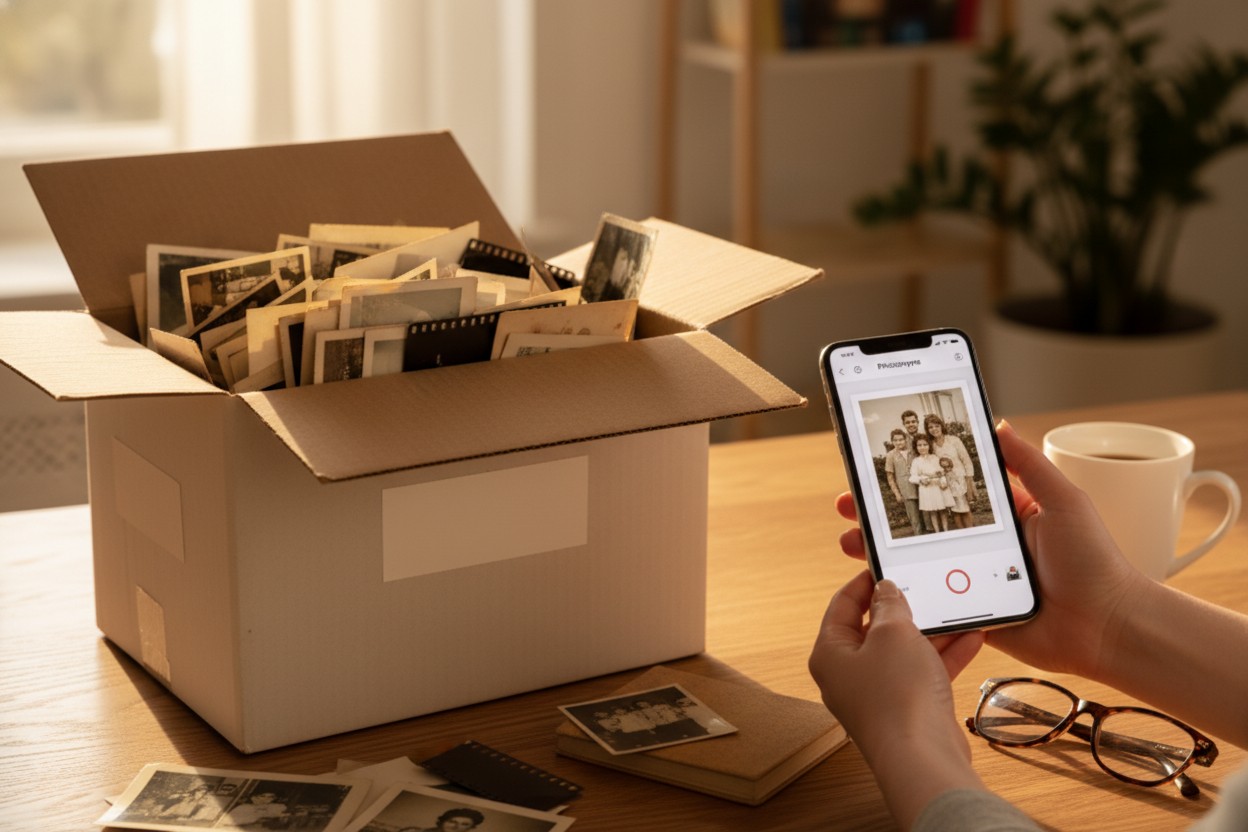
- Digital Preservation: Consider scanning your photographs to create digital copies. This creates a backup and allows you to share your memories without risking damage to the originals.
- Professional Restoration: For severely damaged photographs, consult a professional photo restorer. They can often repair tears, remove stains, and restore faded images.
The good news is that digitizing your photos is easier than ever. With the Photomyne app, you can quickly and easily scan your prints using your smartphone. Millions of users have scanned over half a billion images, preserving their precious memories for future generations. It's a simple and effective way to safeguard your photographic legacy.
The Value of Preservation
The photographs we cherish are more than just pieces of paper; they are tangible links to our past. By understanding the factors that affect their longevity and taking proactive steps to preserve them, we can ensure that these precious memories continue to bring joy and connection for generations to come.