
Published February 09, 2026
Old Slides Found During a Move: A Treasure Trove of Memories
Moving is often a whirlwind of packing, unpacking, and rediscovering forgotten treasures. Among the boxes of knick-knacks and dusty keepsakes, you might stumble upon a particularly intriguing find: a box of old slides. These small, rectangular transparencies, once the pinnacle of home entertainment, hold a wealth of memories, waiting to be brought back to life. Finding them can feel like unearthing a time capsule, offering a glimpse into the past and the lives of those captured on film.
What Are You Looking At? Understanding Your Slides
Before you dive in, it's helpful to understand what you've got. Slides are essentially photographic transparencies, typically mounted in cardboard or plastic frames. They were a popular way to share photographs before the digital age, projected onto a screen for family and friends to enjoy. You might find slides from vacations, family gatherings, weddings, and everyday moments. The quality of the images can be surprisingly good, offering vibrant colors and sharp details, especially if they were well-preserved.
Before You Start: Preparation is Key
Before you begin the process of viewing or digitizing your slides, take a few preliminary steps:
- Assess the Condition: Check for any signs of damage, such as mold, scratches, or fading. Handle them carefully, wearing gloves to avoid fingerprints.
- Gather Your Supplies: You'll need a way to view the slides. This could be a slide viewer, a projector, or a light table. You'll also need a soft cloth for cleaning and possibly a can of compressed air to remove dust.
- Organize and Catalog: Sort the slides by date, event, or subject. This will make the viewing and scanning process much easier. Consider creating a simple catalog to keep track of what each slide contains.
Ways to View Your Slides
There are several ways to revisit the images captured on your slides:
- Slide Viewer: A slide viewer is a small, handheld device that illuminates the slide, allowing you to view it individually. This is a simple and inexpensive option, but it can be time-consuming.
- Slide Projector: A slide projector projects the image onto a screen or wall. This is the classic way to view slides and offers a larger-than-life experience. However, projectors can be bulky and require a darkened room.
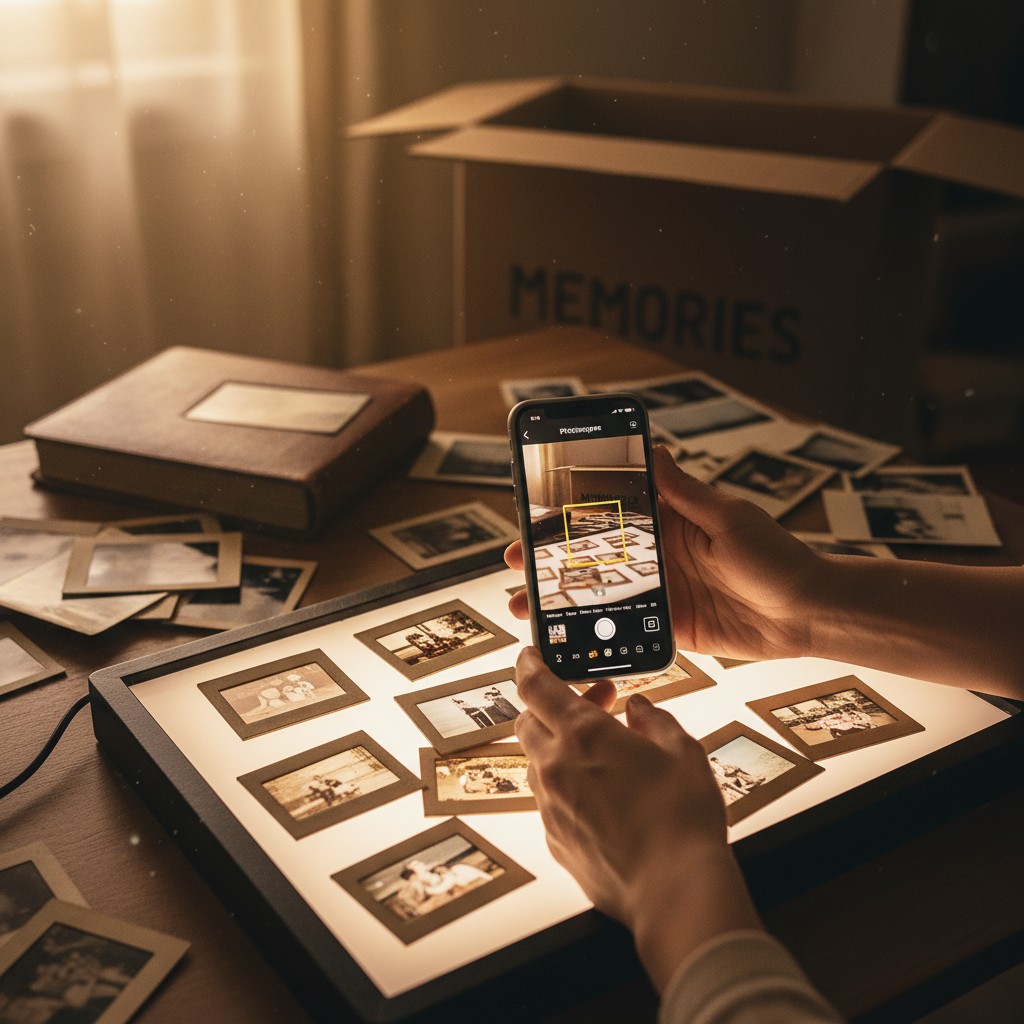
- Light Table: A light table provides a uniformly illuminated surface, allowing you to view the slides with a magnifying glass or simply by eye. This is a good option for detailed examination and for selecting slides to scan.
Bringing Your Slides into the Digital Age
The best way to preserve your slides and share them with others is to digitize them. This involves converting the analog images into digital files that can be viewed on computers, tablets, and smartphones. There are several ways to do this:
- Scanning: You can use a dedicated slide scanner or a flatbed scanner with a slide adapter. This method offers the highest quality results but can be time-consuming.
- Professional Services: Many professional photo scanning services offer slide scanning. This is a convenient option if you have a large collection of slides or if you want the best possible quality.
- Smartphone Apps: Some smartphone apps allow you to scan slides using your phone's camera. This is a quick and easy option for scanning your slides. For example, Photomyne has helped millions of users scan over half a billion images, offering a stable and scalable solution for digitizing your memories.
Preserving Your Legacy
Once you've digitized your slides, you can share them with family and friends, create photo albums, and back them up to protect them from loss. Digitizing your slides is a rewarding process that allows you to relive cherished memories and share them with future generations. Enjoy the journey of rediscovering your past!